Want to receive a launch email?
CheapGood is about finding the meals locals eat every day that deliver exceptional quality for less money than you´d expect to pay. We´re currently verifying our lists and curating our notes… leave your email and receive a notification when we launch.
What´s CHEAPGOOD.ES about, anyway
Good tapas are everywhere.
Spain is a goldmine for “cheapgood” because the best stuff is rarely the fancy, plated sit-down dinner—it’s the stuff people eat standing up or on the go. Some of the heavy hitters:
Pan con Tomate: Simple, holy, and everywhere. It’s just toasted bread rubbed with garlic and ripe tomato, finished with a heavy pour of olive oil and a pinch of salt. It’s breakfast, a snack, or a side dish that costs almost nothing but hits every mark.
Bocadillos: These are the backbone of Spanish fuel. It’s just a crusty half-baguette stuffed with high-quality basics—cured jamón, a hunk of tortilla, or lomo (pork loin). No frills, just perfect bread and perfect fillings.
Tortilla de Patatas: The king of cheap eats. It’s a thick, hearty wedge of potato and egg omelet that you can find in almost any bar at any hour. It’s filling, cheap, and arguably the most comforting thing you can eat in the country.
All Spain
Across northern provinces like Asturias, the CheapGood focus is on high-value staples like traditional mountain stews and local cider houses, amazing meals for very little money. Meanwhile, in the Basque Country, the best food experiences involve “pintxos crawls,” moving between bars to sample single, gourmet-quality bites that keep total costs well below that of a standard sit-down dinner.
Granada: the Undisputed #1
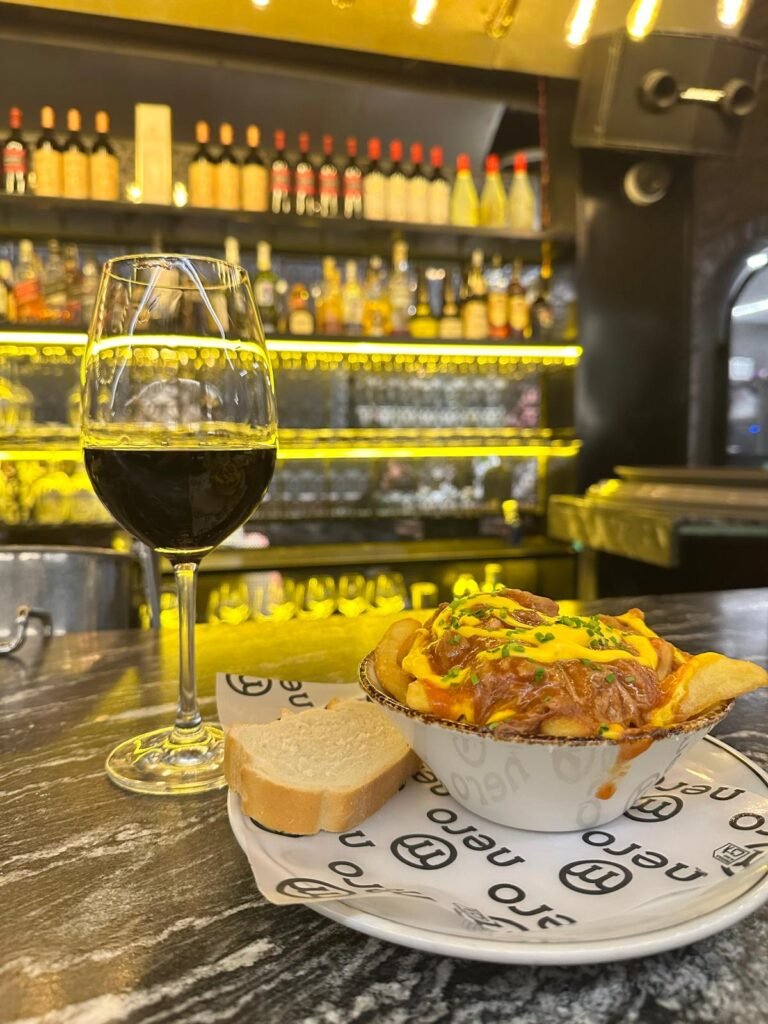
Granada’s cheap-good food scene is built around the city’s legendary free tapas culture, where ordering a drink often comes with a complimentary plate of food — especially in old neighborhoods like Realejo, Albaicín, and around Calle Navas — making a night of eating possible for very little money. The strategy is to bar-hop locally rather than order full meals: places like Bodegas Castañeda or traditional tapas bars near Plaza Nueva turn simple dishes like jamón, croquetas, tortilla, and grilled meats into a social, affordable Granada ritual.
Galicia
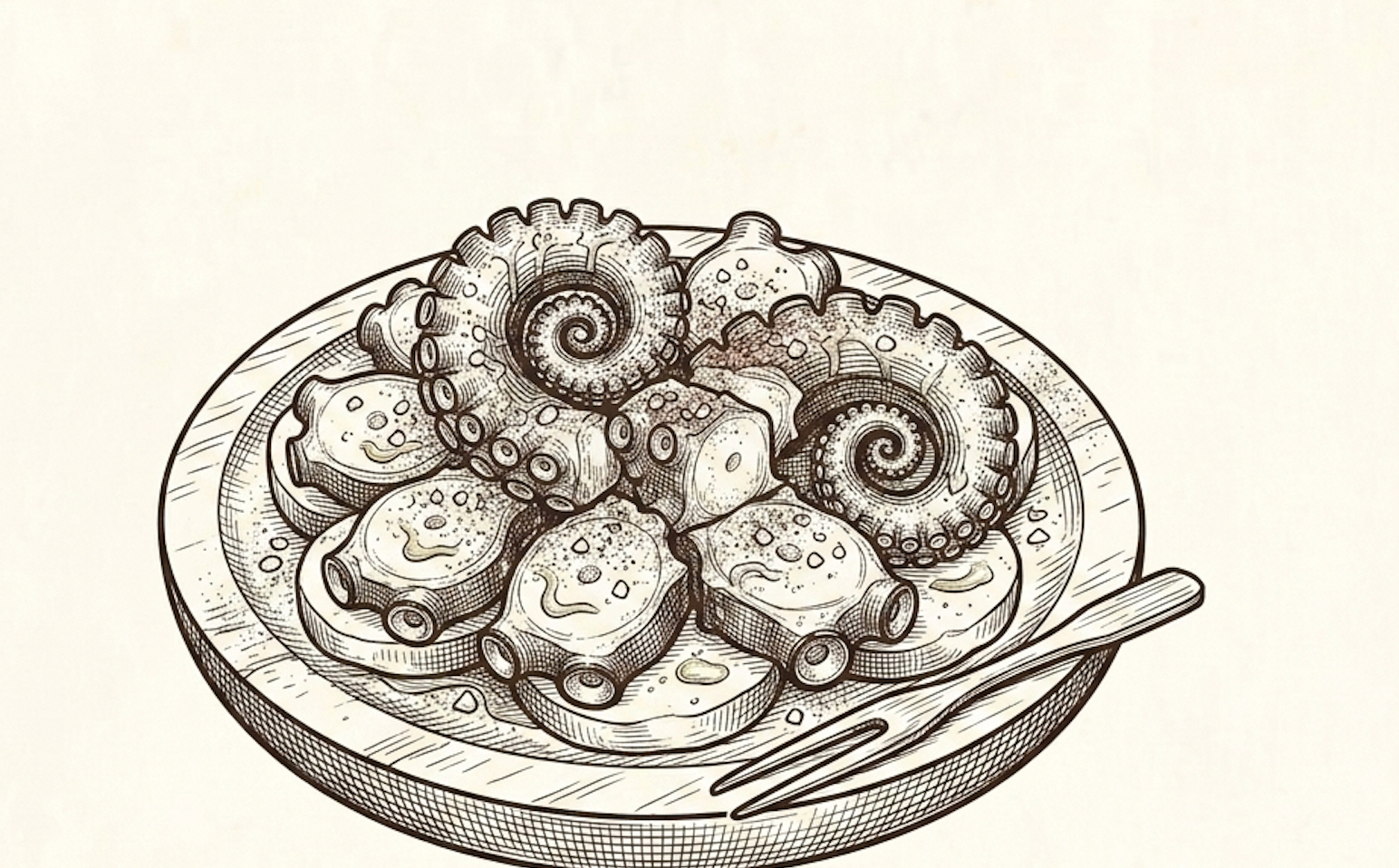
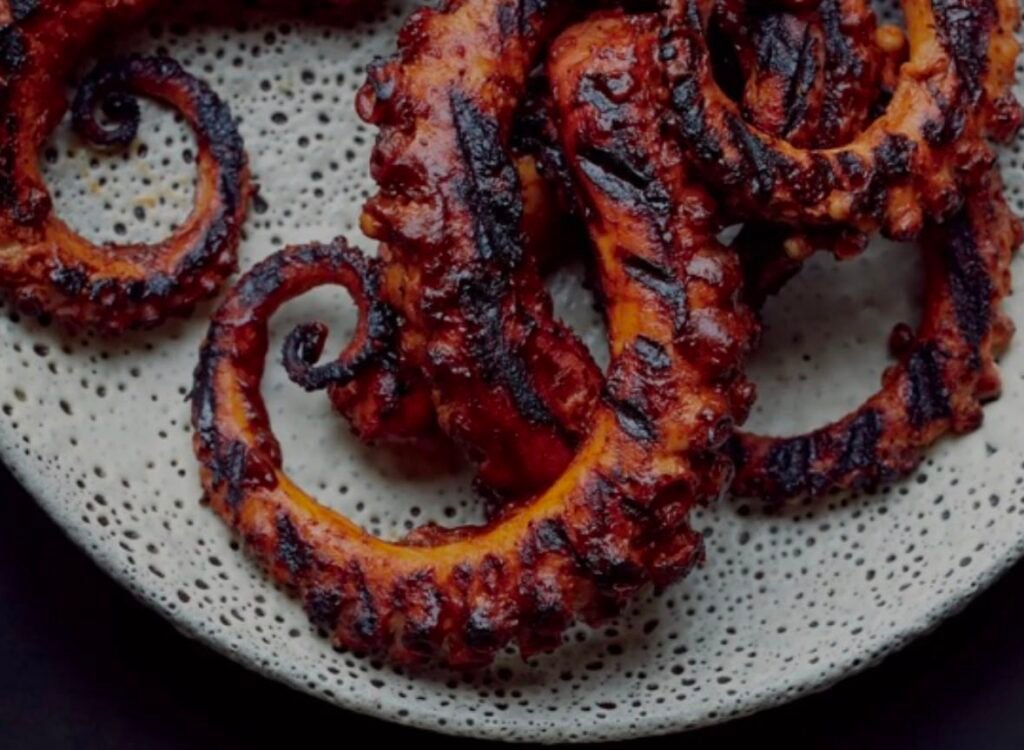
Galicia’s cheap-good food scene is built around seafood, markets, and small tabernas where exceptional local ingredients are served without ceremony: pulpo á feira in Ourense’s traditional pulperías, oysters and empanada in A Coruña, and fresh fish markets in Vigo define a region where simple food is the luxury. The strategy is to eat like a Galician worker — follow the market, the neighborhood bar, and the daily menu del día — where dishes like octopus, tortilla, grilled sardines, caldo galego, and local seafood can still be found for surprisingly reasonable prices.

Valencia
Valencia has a very strong claim for the best everyday food city in Spain — not necessarily because it has the most famous dishes, but because its cheap-good food culture is unusually complete. It combines rice culture, Mediterranean produce, neighborhood bars, markets, and beach-town eating in a way that makes excellent food feel normal rather than special-occasion.
Valencia’s cheap-good strategy is:
Eat rice where Valencians eat rice, not where tourists take photos. The city is the birthplace of paella, but the best value is often in neighborhood restaurants and coastal areas like El Cabanyal, Poblats Marítims, and Malvarrosa, where you find arroz a banda, arroz del senyoret, and daily rice menus rather than overpriced “paella experiences.”
Expert contributions welcome
Want to become a contributor?
Spain´s ultimate CheapGood meal might be…
The Spanish bocadillo culture is a cornerstone of daily life, offering a portable, high-quality meal made from a simple crusty baguette filled with fresh, local ingredients like cured ham, tortilla, or local cheeses. These sandwiches are widely considered one of the country’s most iconic cheap eats, providing a delicious and deeply satisfying culinary experience for just a few euros at neighborhood bars and markets. But there´s also…
Croquetas: These are the ultimate “use what you have” food. Creamy béchamel mixed with ham, chicken, or cod, breaded and fried until shattered-glass crispy. They are addictive, incredibly cheap, and the perfect bar snack.
Salmorejo: Think of this as the richer, thicker, deeper cousin of gazpacho. It’s a cold tomato and bread purée from Córdoba, usually topped with bits of hard-boiled egg and ham. It is creamy, intense, and insanely cheap.
Pimientos de Padrón: A plate of these blistered, salty, fried green peppers is a Spanish staple. Most are mild, but the game is that a few are secretly spicy. It’s cheap, communal, and hands-down the best bar snack to pair with a cold drink.

Andalucia Strategy: Big lunch under 9 euros, tapas all night
Spain’s cheap-good food strategy is built around timing and social eating: a modest breakfast, a substantial midday menú del día, and a long evening of sharing small plates rather than ordering expensive individual meals. The biggest bargain is the menú del día — a worker’s lunch found across the country with multiple courses, bread, drink, and dessert or coffee for roughly €10–€18 — while nights are about tapeo: moving between neighborhood bars for tapas, raciones, tortilla, croquetas, jamón, seafood, and local specialties.
The key is to eat where locals eat: Granada’s free tapas bars, Valencia’s almuerzo sandwich culture and rice restaurants, Galicia’s seafood tabernas, and Madrid’s neighborhood bars all show the Spanish philosophy that great food does not need to be expensive; it needs to be local, social, and part of everyday life.
Spanish Food Cities: Ranked
- Granada: Free sides with every drink
- Santiago: Cheap, mind-blowing local seafood.
- San Sebastián: Pintxo crawls
- Córdoba: Salmorejo and tortillas
- Gijón: CheapGood cider and stews
- Valencia: PAELLA